Field guide
Plants, fungi, and wildlife
Dillsboro and the Laughery Creek hills. Bundled on the device — works with no signal.
21 plates
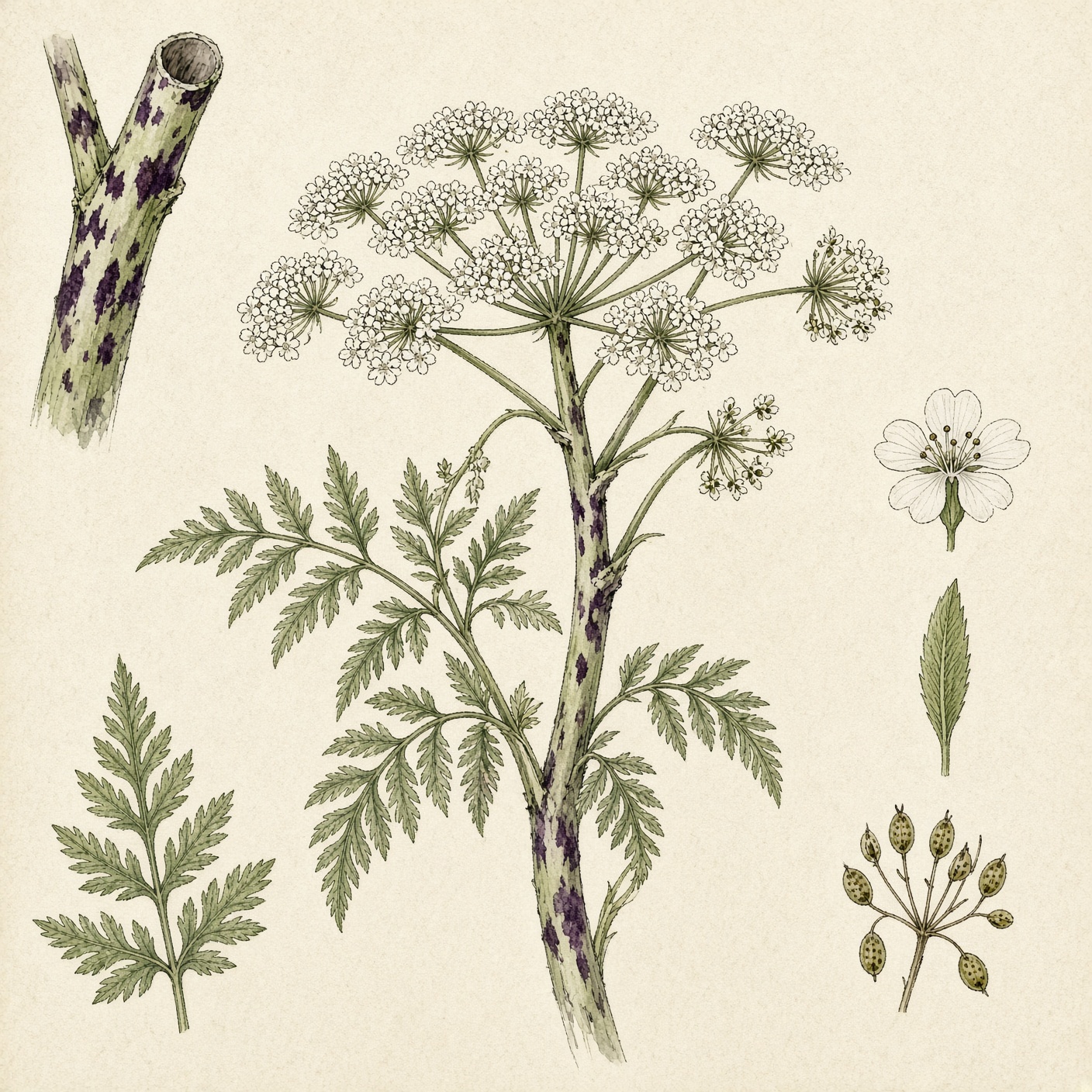
Poison hemlock
Conium maculatum
Purple-splotched hollow stems, lacy leaves, white umbels. Deadly. Do not touch your mouth after handling.
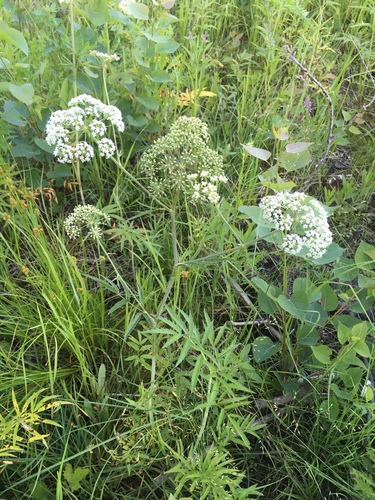
Water hemlock
Cicuta maculata
The most violently toxic plant in Indiana wetlands. Chambered root, purple-streaked stems.
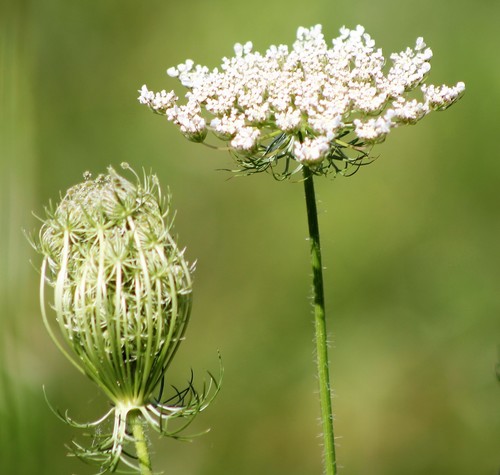
Queen Anne’s lace
Daucus carota
Wild carrot. Hairy stem, one dark floret in the white lace, carrot-scented taproot.
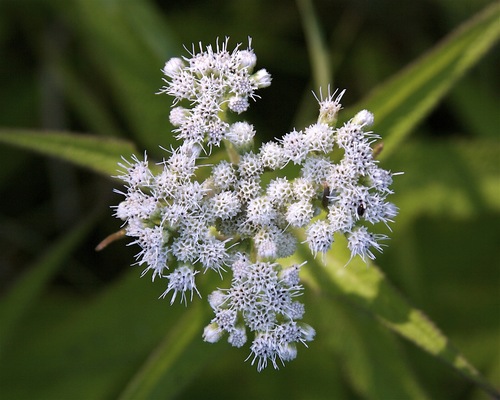
White snakeroot
Ageratina altissima
Shade wildflower that makes milk poisonous. Caused milk sickness on the Indiana frontier.
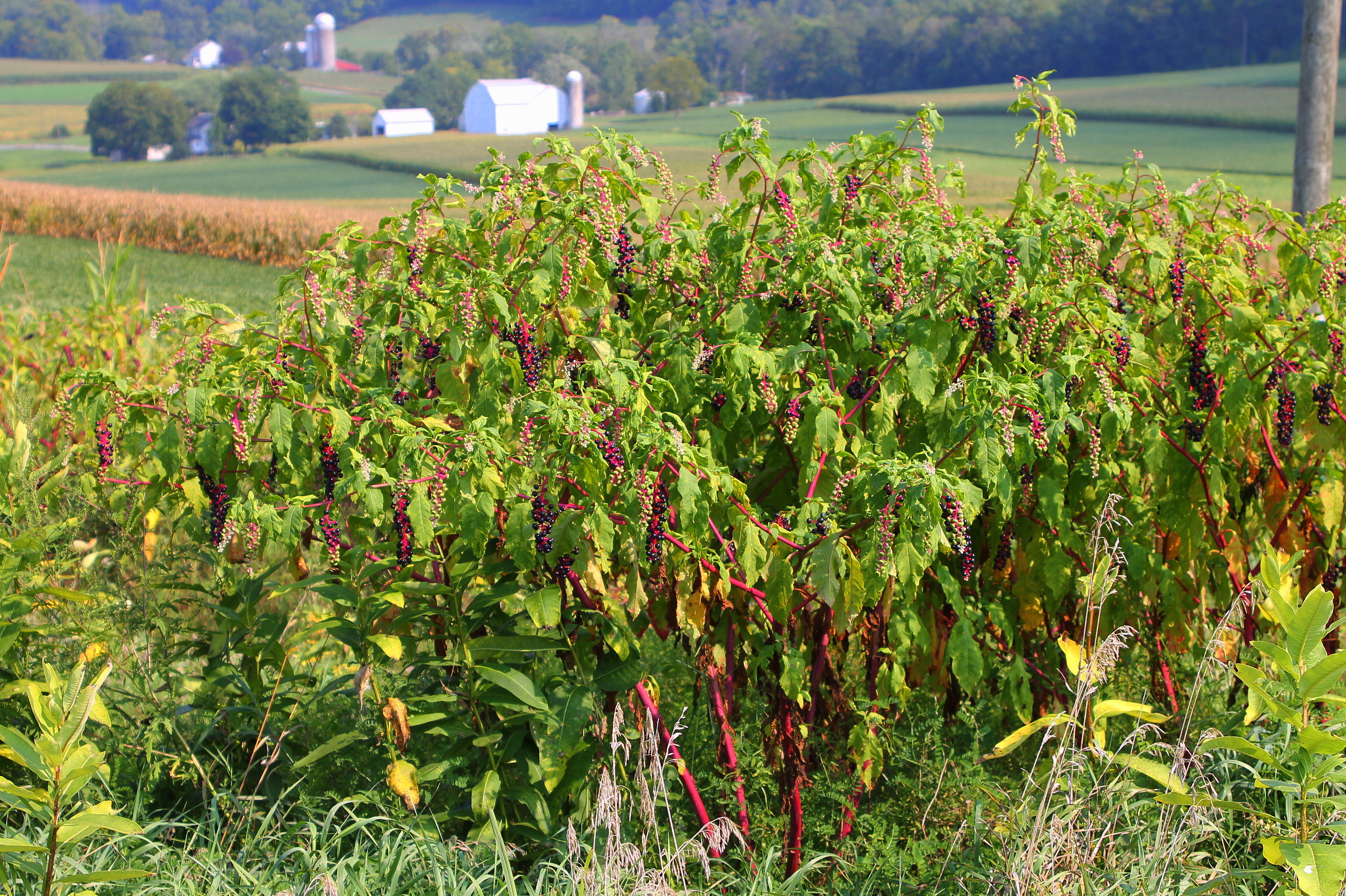
Pokeweed
Phytolacca americana
Magenta stems, black-purple berries. Young shoots were cooked as poke sallet; roots and berries are toxic.
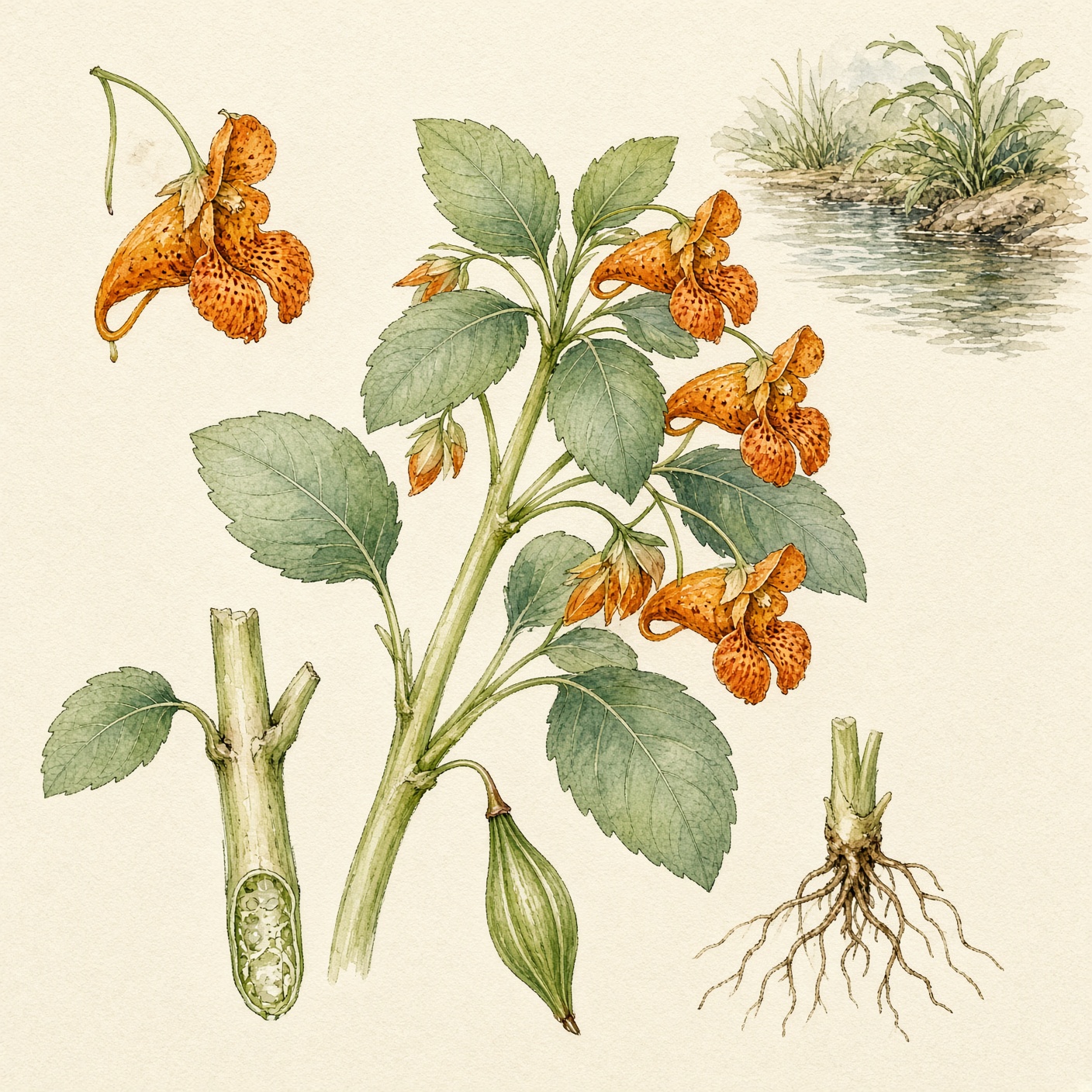
Jewelweed
Impatiens capensis
Orange spotted flowers, watery stems. Traditional wash for poison ivy and nettle.
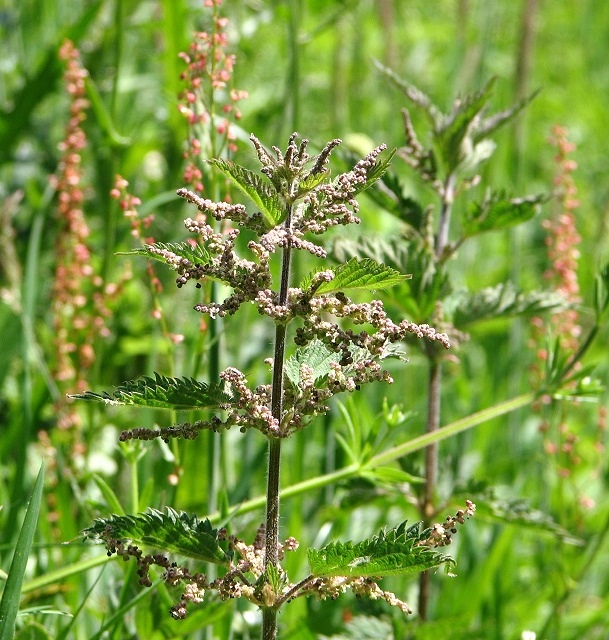
Stinging nettle
Urtica dioica
Opposite toothed leaves, stinging hairs. Excellent cooked green and fiber plant.
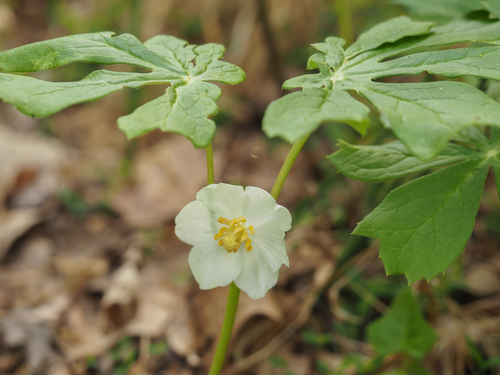
Mayapple
Podophyllum peltatum
Umbrella leaves in colonies. Only the ripe yellow fruit is edible; the rest is toxic.
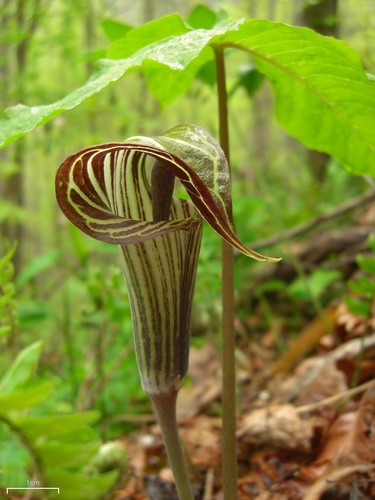
Jack-in-the-pulpit
Arisaema triphyllum
Hooded pulpit flower, three leaflets, clusters of red berries. Calcium oxalate — do not eat raw.
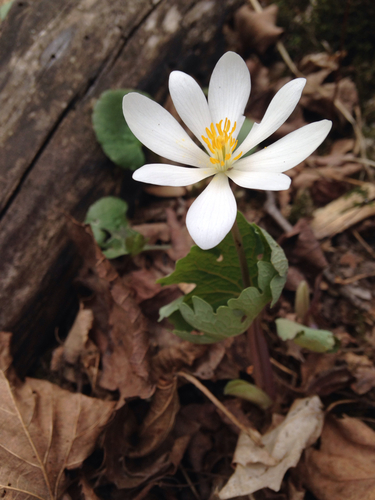
Bloodroot
Sanguinaria canadensis
Early white flower; orange-red sap. Sap is caustic — not a folk cure to play with.
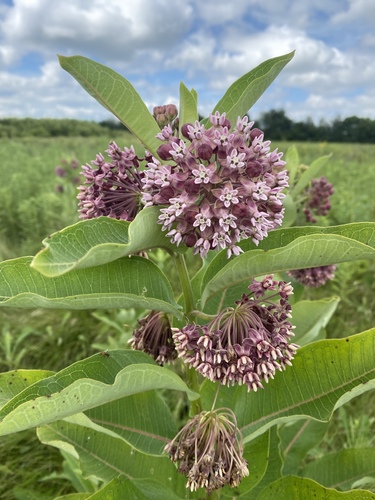
Common milkweed
Asclepias syriaca
Thick opposite leaves, pink flower balls, milky sap. Monarch host. Young shoots and pods are traditional food if boiled.
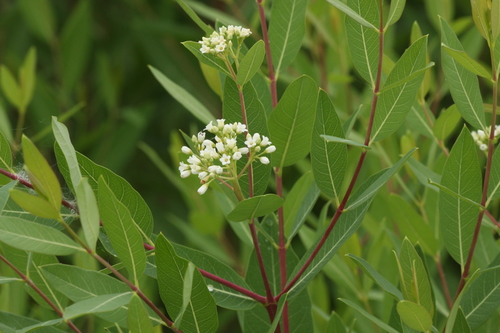
Hemp dogbane
Apocynum cannabinum
Milkweed cousin with branching stems and toxic sap. Superb cordage, bad food.
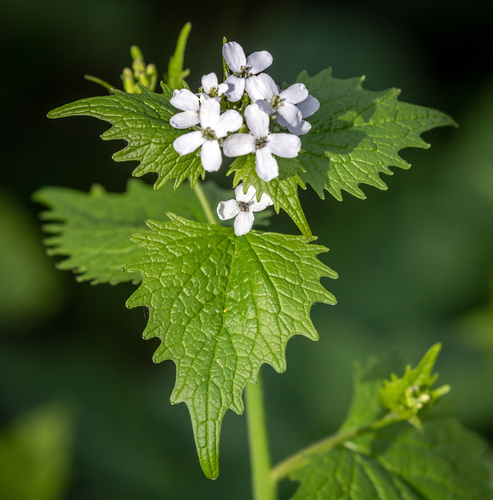
Garlic mustard
Alliaria petiolata
Invasive. First-year rosette, second-year white four-petal flowers. Pull it and eat it.
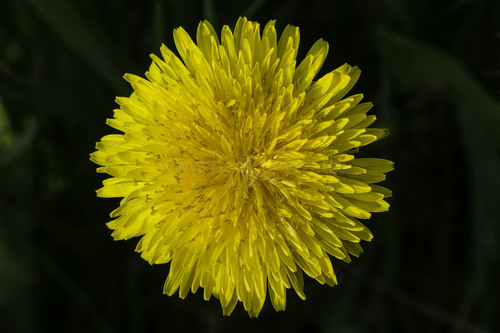
Dandelion
Taraxacum officinale
The emergency salad. Entire plant is food if you can stand the bitter.
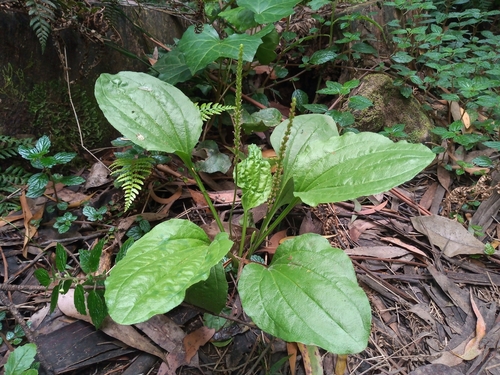
Broadleaf plantain
Plantago major
The ‘bandaid plant’. Ribbed basal leaves and a rat-tail flower spike.
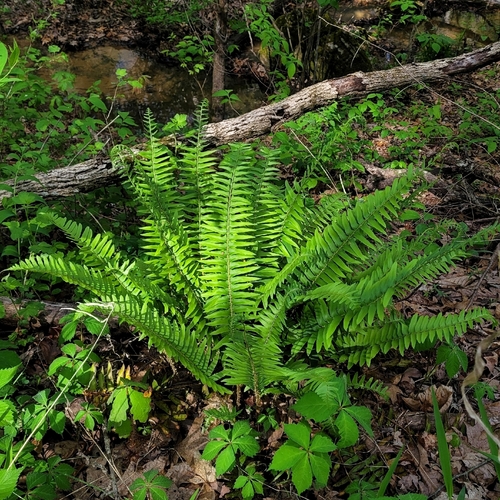
Christmas fern
Polystichum acrostichoides
Evergreen woodland fern. Each leaflet has a Christmas-stocking thumb.
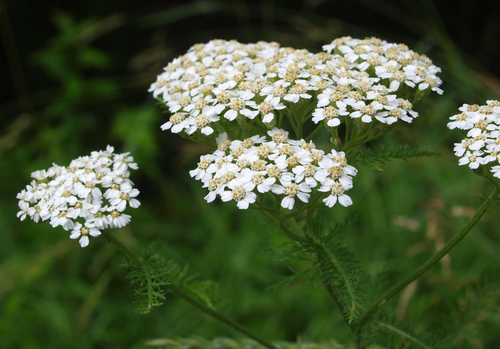
Yarrow
Achillea millefolium
Feathery aromatic leaves and a flat plate of tiny white flowers. Wound herb and fever tea.
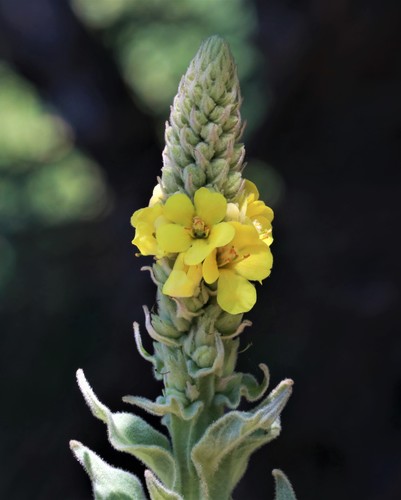
Common mullein
Verbascum thapsus
Woolly first-year rosette, then a tall yellow candle. The cough leaf of dry lots.
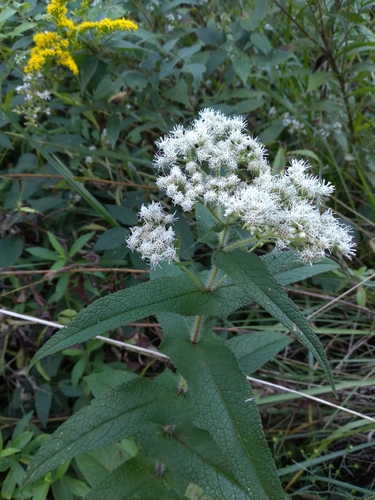
Boneset
Eupatorium perfoliatum
Wet-ground white flower plate. The stem grows through the joined leaf pair. Not white snakeroot.
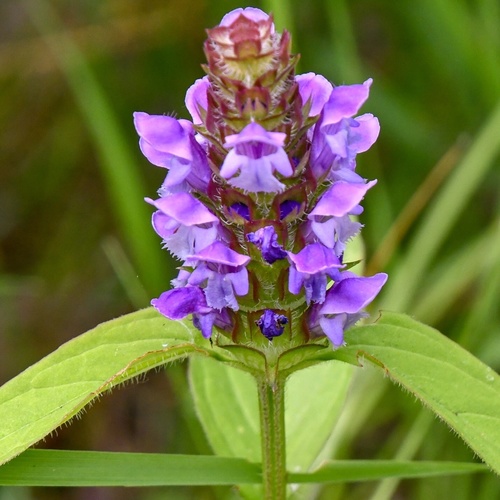
Self-heal
Prunella vulgaris
Low purple flower clubs in the lawn. A gentle throat gargle.
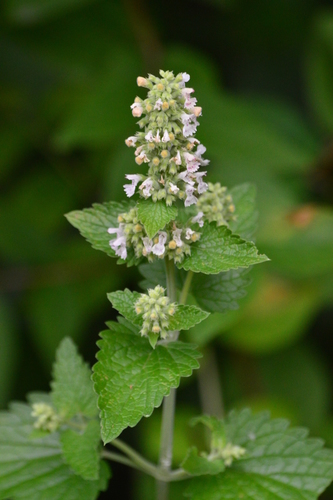
Catnip
Nepeta cataria
Gray-green mint that makes cats foolish and people sleepy. Old barn-lot plant.
Categories: Trees · Shrubs · Wildflowers · Vines · Ferns · Mushrooms · Mammals · Birds · Reptiles · Amphibians · Ticks & spiders · Insects · Fish